We handle permits, inspections, utility coordination, demolition, and cleanup — so you don’t have to stress or guess

5 Red Flags to Watch for During Residential Demolition
HOUSE DEMOLITION
1/30/20262 min read
5 Red Flags to Watch for During Residential Demolition
Embarking on a residential demolition project in Texas can be exciting, signaling a fresh start for your property. However, it’s also a complex undertaking with potential hazards. While most demolition companies operate with the utmost professionalism, it's crucial for homeowners in Houston, San Antonio, and Austin to recognize warning signs of an inexperienced or unscrupulous contractor.
At HouseDemoTX, safety and compliance are our top priorities. Here are five critical red flags you should watch out for before, during, and after your house demolition.
1. No Visible Permits or Posted Notices
Before any heavy machinery arrives on your property, the demolition contractor is responsible for securing and conspicuously posting all necessary permits from the local municipality. These permits often include:
A general demolition permit.
Asbestos abatement permits (if applicable).
Erosion control permits.
Red Flag: If a crew starts work without a permit visible on the site fence or in a window, or if they tell you a permit isn't necessary for your project. This is a massive legal liability for you as the property owner and could result in significant fines and work stoppages. Always verify permits with your city's planning department.
2. Lack of Proper Safety Barriers and Signage
A demolition site is inherently dangerous. A professional contractor will always establish clear safety perimeters to protect workers, neighbors, and passersby. This includes:
Sturdy Fencing: Often chain-link or orange mesh, securely erected around the entire perimeter.
Warning Signs: Clearly legible signs indicating "DANGER: DEMOLITION SITE," "AUTHORIZED PERSONNEL ONLY," and emergency contact information.
Silt Fencing: As highlighted in our State of Texas Demolition 2026 Guide, erosion control (like silt fences) is mandatory in many Texas cities to prevent runoff.
Red Flag: A site that lacks robust fencing, has poorly maintained barriers, or has no visible warnings is an immediate cause for concern. It suggests a disregard for public safety and regulatory compliance.
3. Unsecured Utilities (Water, Gas, Electric)
Before any structural demolition begins, all utilities must be safely and professionally disconnected and capped. This is a non-negotiable step that protects workers from electrocution or explosion and prevents property damage.
Verification: Reputable contractors will provide documentation from utility companies confirming these disconnections.
Professional Capping: Water and sewer lines must be capped by licensed plumbers, and electrical lines by certified electricians.
Red Flag: Seeing active meters, uncapped pipes, or live electrical wires on a site that has begun demolition. This is an extremely dangerous scenario and indicates a profound failure in planning and safety protocol. Your house demolition should never begin until these steps are 100% confirmed.
4. Improper Debris Management and Hauling
Demolition creates an enormous amount of waste. How that waste is handled speaks volumes about a contractor's professionalism and environmental responsibility.
Dedicated Roll-Offs: Expect to see large, dedicated roll-off dumpsters or trucks on site for debris.
Sorting (Where Applicable): Some contractors will sort materials for recycling (e.g., concrete, metals) to reduce landfill waste.
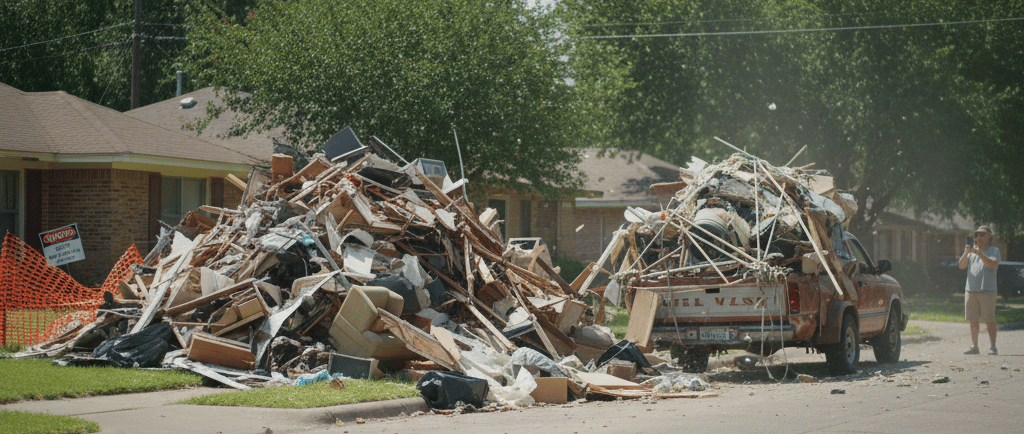
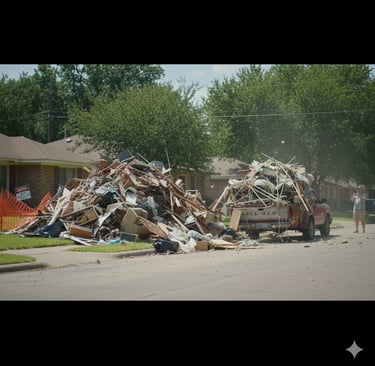
Proper Hauling: Debris should be loaded securely and transported by appropriate vehicles, not overloaded personal trucks.
Red Flag: Piles of debris left exposed for days without containment, materials overflowing from containers, or debris being hauled away in unsafe, uncovered vehicles. This can lead to neighborhood complaints, environmental fines, and often indicates illegal dumping to save costs.